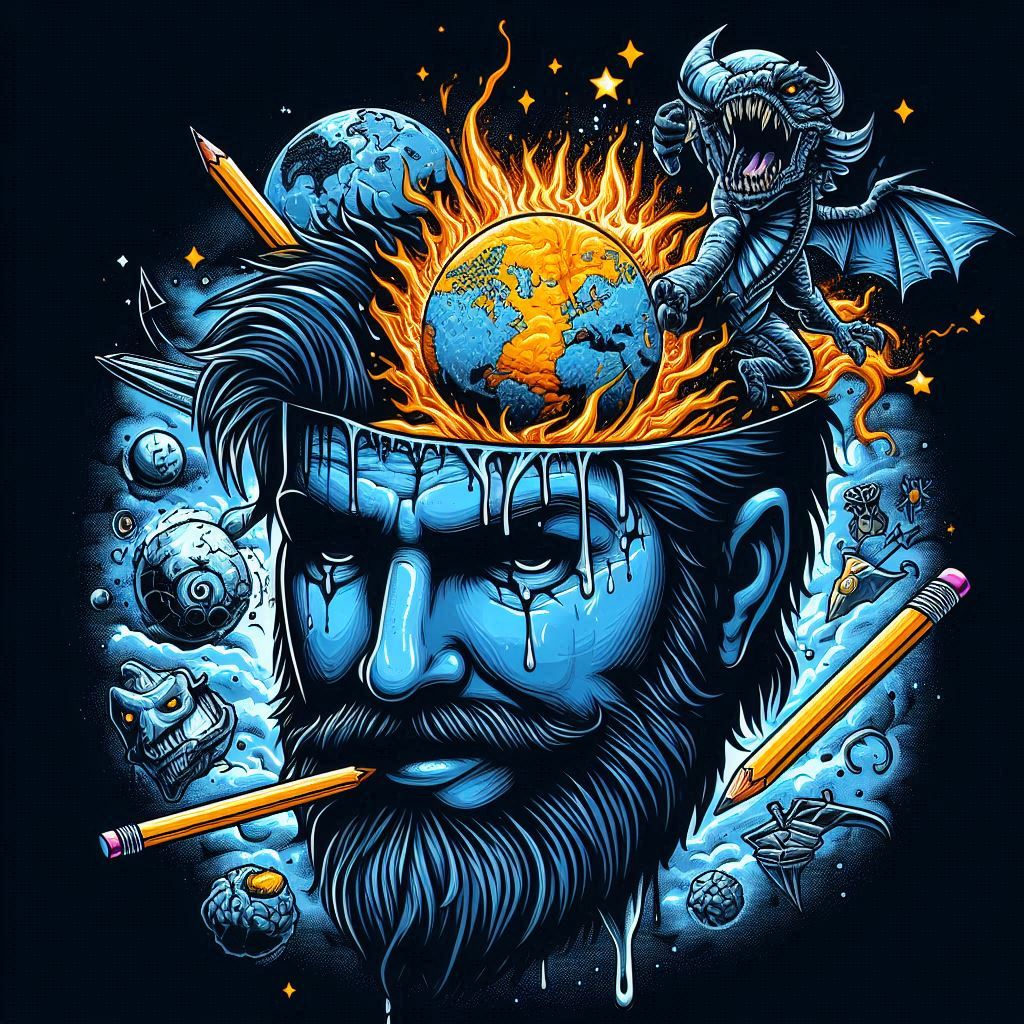

Graffiti, once seen as an act of rebellion confined to the streets, has found a new canvas in the digital world. As technology advances, graffiti artists are embracing digital tools and social media to push the boundaries of their art and reach audiences far beyond their local neighborhoods. This fusion of creativity and technology is not only transforming the way graffiti is created and shared but also reshaping the perception of street art.
Augmented Reality (AR) is revolutionizing the graffiti scene by adding an interactive dimension to traditional street art. With AR, artists can overlay digital content onto physical surfaces, creating a dynamic and immersive experience for viewers. Through smartphone apps and AR glasses, spectators can view graffiti that comes to life with animations, sound, and even 3D effects. This blending of physical and digital art opens up new possibilities for storytelling and engagement, making graffiti more accessible and captivating than ever before.
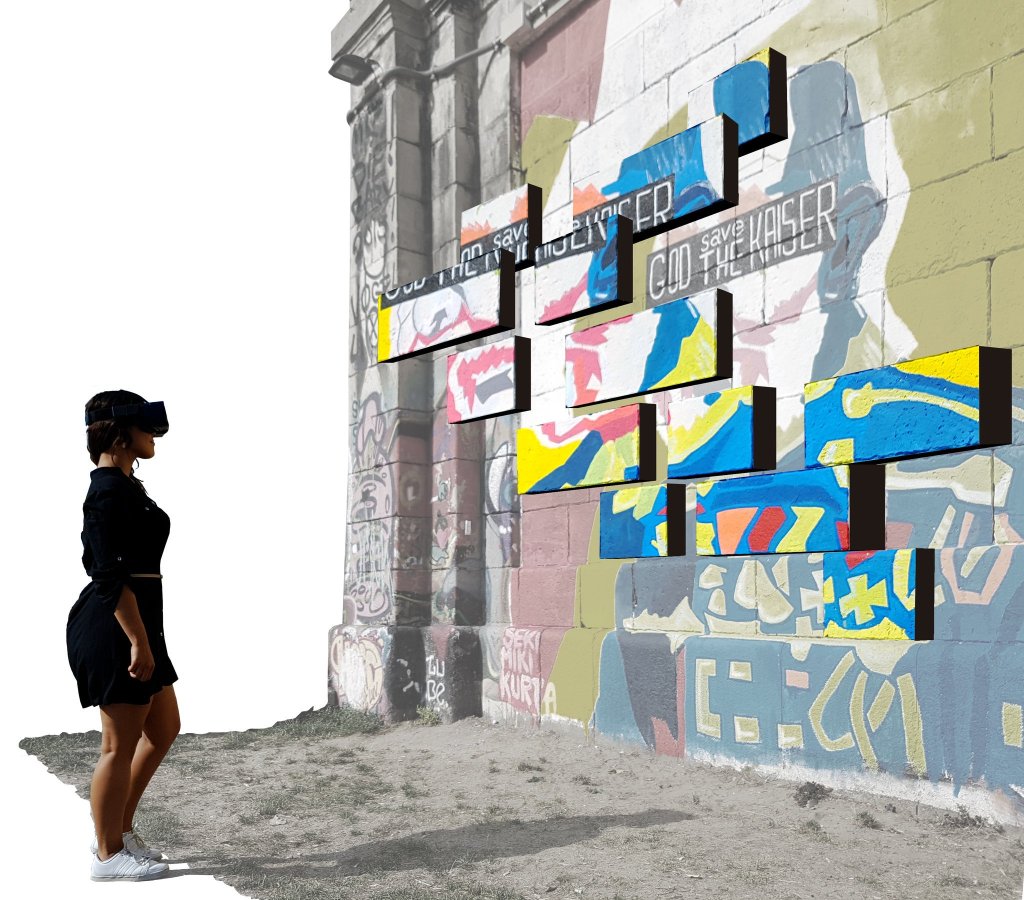
One notable example of AR graffiti is the collaboration between street artist INSA and the AR platform Layar. INSA’s “GIF-ITI” projects combine animated digital murals with AR technology, allowing viewers to see the artwork in motion through their devices. This fusion of traditional graffiti with cutting-edge technology creates a mesmerizing and memorable experience for the audience.
Digital tagging, or creating graffiti art using digital tools, has become a popular medium for artists looking to experiment with new techniques and reach wider audiences. With graphic tablets, digital pens, and software like Procreate and Adobe Illustrator, graffiti artists can design intricate and detailed pieces without the constraints of physical materials. Digital tagging allows for endless possibilities, from experimenting with different styles and colors to creating large-scale murals that can be easily shared online.
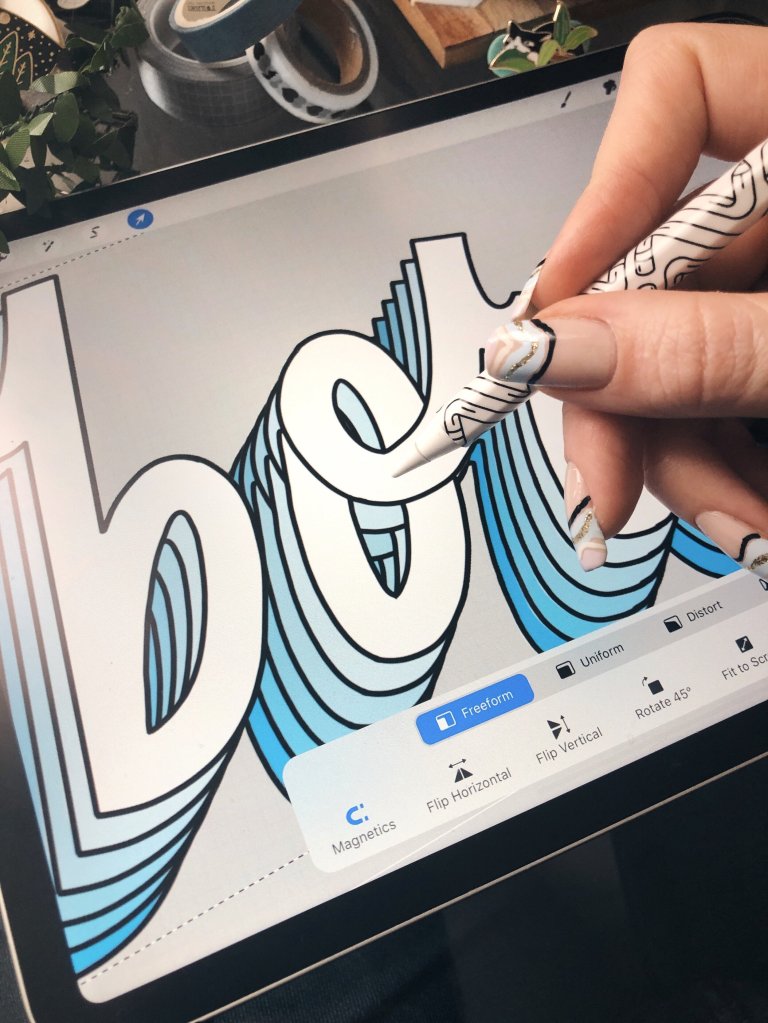
Moreover, digital tagging has made it easier for artists to collaborate across distances. Platforms like Mural and Google Jamboard enable graffiti writers from different parts of the world to work on a single digital canvas in real time, fostering a sense of community and creative exchange.
Social media and online platforms have played a pivotal role in bringing graffiti artists and enthusiasts together. Websites like Graffiti Life and social media platforms like Instagram and TikTok have become virtual galleries where artists can showcase their work, connect with fans, and gain recognition. These online communities provide a space for artists to share techniques, receive feedback, and collaborate on projects, breaking down geographical barriers and fostering a global network of street art enthusiasts.
One of the most significant impacts of social media on graffiti is the democratization of the art form. Artists who may have struggled to gain visibility in traditional art spaces can now reach a vast audience with just a few clicks. Hashtags like #StreetArt, #GraffitiArt, and #UrbanArt have become powerful tools for artists to gain exposure and connect with like-minded individuals.
Furthermore, online graffiti communities often organize virtual events, challenges, and collaborations that inspire creativity and innovation. These digital gatherings allow artists to showcase their skills, learn from each other, and push the boundaries of what graffiti can achieve.
The intersection of graffiti and technology is ushering in a new era for street art. Augmented reality graffiti, digital tagging, and online communities are transforming the way graffiti is created, shared, and appreciated. As artists continue to explore the possibilities of digital tools and social media, the future of graffiti promises to be more dynamic, interactive, and inclusive than ever before.
By embracing technology, graffiti artists are not only preserving the rebellious spirit of street art but also expanding its horizons and reaching new audiences. The marriage of graffiti and technology is a testament to the ever-evolving nature of creativity and the endless potential for innovation in the world of art.

Leave a Reply