Italy has long been recognized as the epicenter for high-quality dyes and additives, thanks to its flourishing leather industry in the northern regions. Growing up in the 90s, we had limited options for expression—just a Posca or a Pilot pen, often enhanced with leather dyes. This early experience taught us the art of improvisation, as we learned to “boost” our tools to leave our mark on the streets.
In 2005, the landscape for writers was still lacking. While there was an abundance of spray can brands in the graffiti world, the market was sparse when it came to marking tools, especially those suited for heavy tagging routines. This gap inspired us to create Grog. Our mission was simple: to develop a marker with deep black ink that could rival the legendary Nero d’Inferno, providing writers with a reliable tool for their craft.
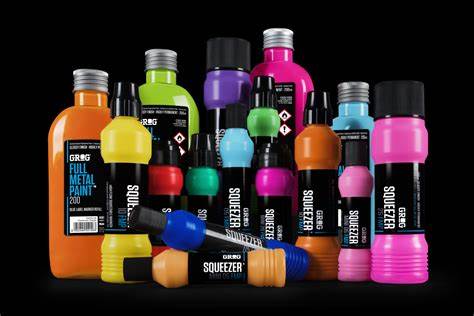
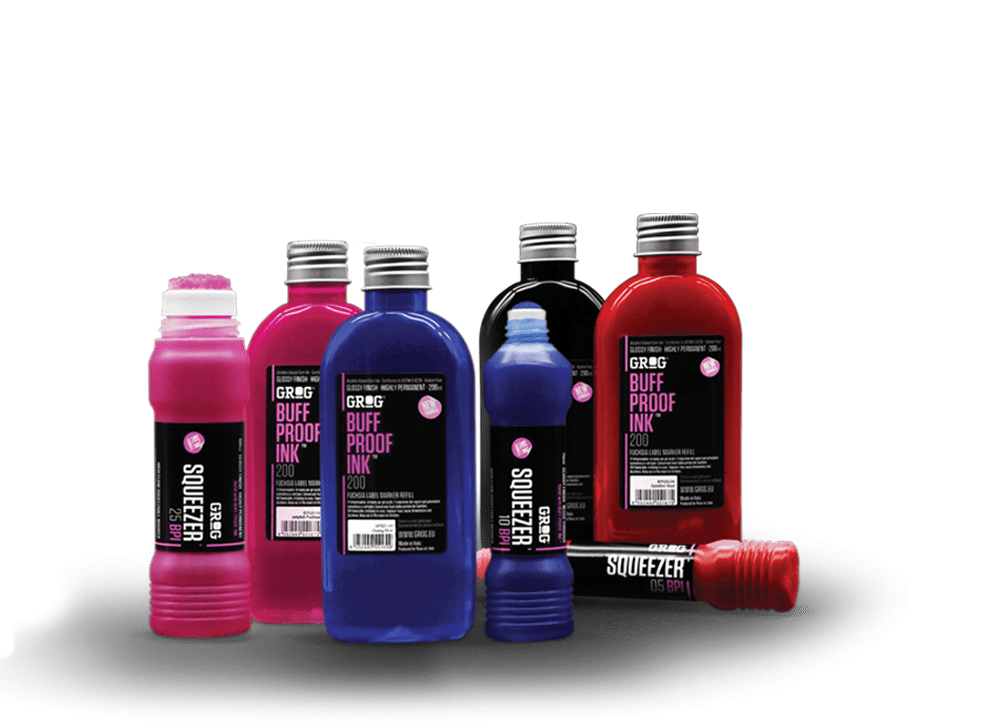
When you think of Grog, the first image that likely comes to mind is our iconic refill bottles. We didn’t reinvent the wheel; instead, we embraced the culture of writers who adapted tools from various backgrounds. Drawing inspiration from the beauty and luxury of the cosmetic industry, we infused these elements into our products, designed specifically for handstylers, scribblers, and writers alike.
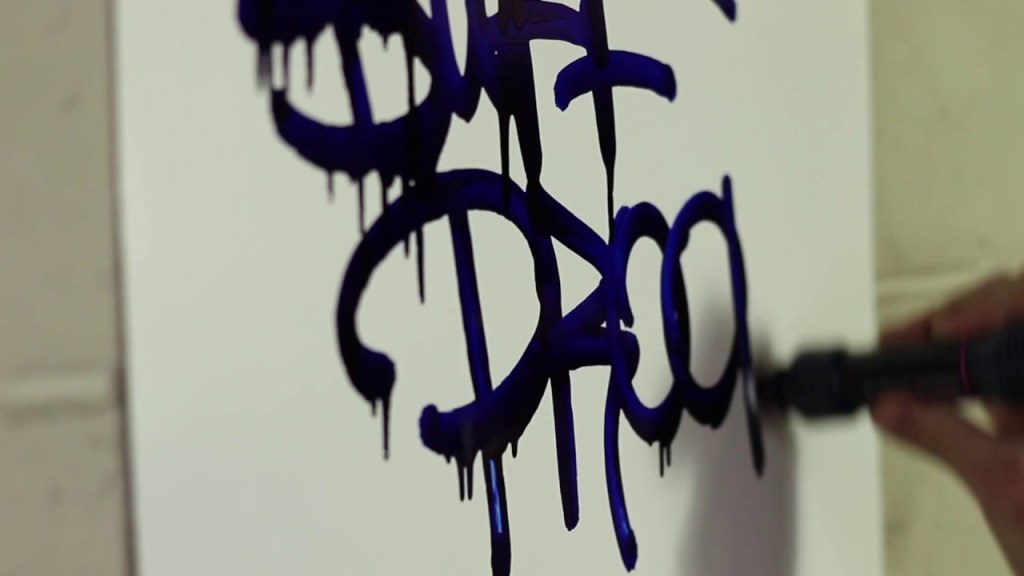
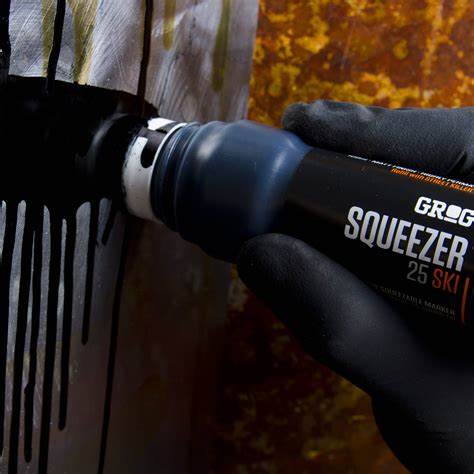
From the outset, we introduced the Buff Proof Ink refill bottle, quickly followed by the Squeezer—a revolutionary tool that transformed the tagging landscape. Today, urban environments are adorned with round-shaped, dripping handstyles, a stark contrast to the more rigid, square styles of the past.
While it’s true that others had used bingo daubers before us, we acknowledge that innovation builds on what came before. Grog has set a standard in the industry, inspiring others to follow in our footsteps.
Grog isn’t just a brand; it’s a movement that celebrates creativity, innovation, and the spirit of street art. As we continue to evolve, we remain committed to providing the tools that empower writers to express themselves boldly and authentically. Join us in this journey as we redefine the art of tagging.
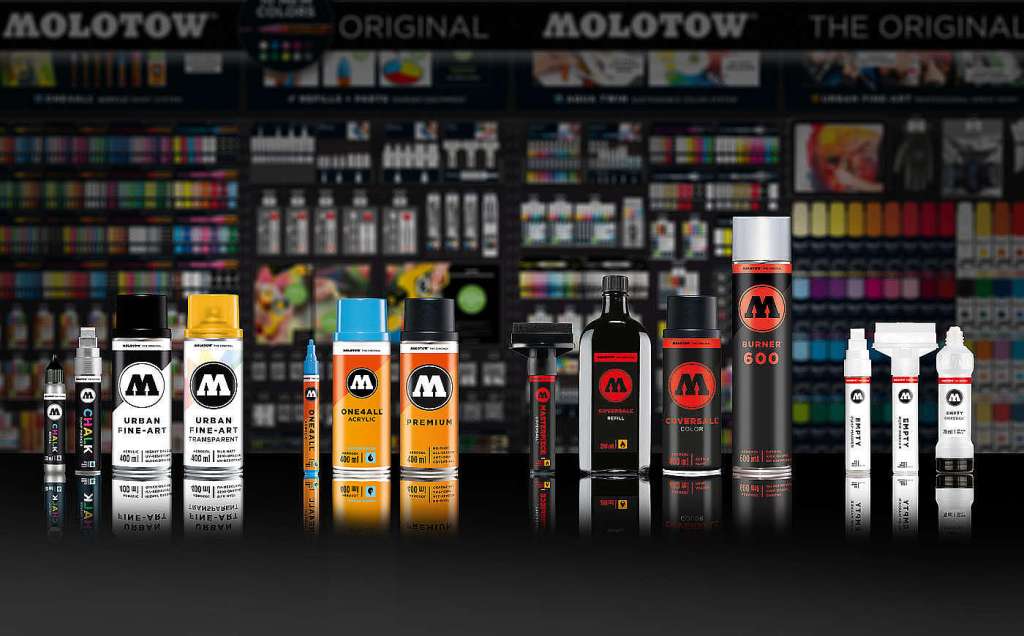
In the vibrant world of graffiti and street art, few brands have made as significant an impact as Molotow. Founded in Germany, Molotow has established a reputation for producing high-quality spray paints and innovative products that have become staples among artists across the globe.
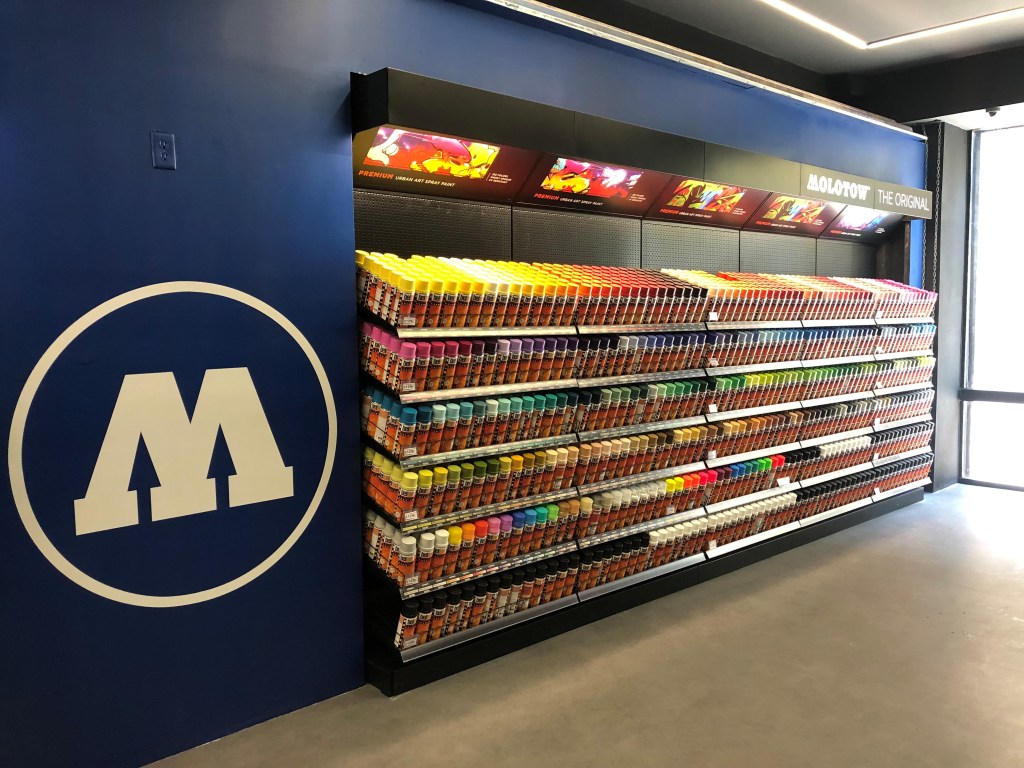
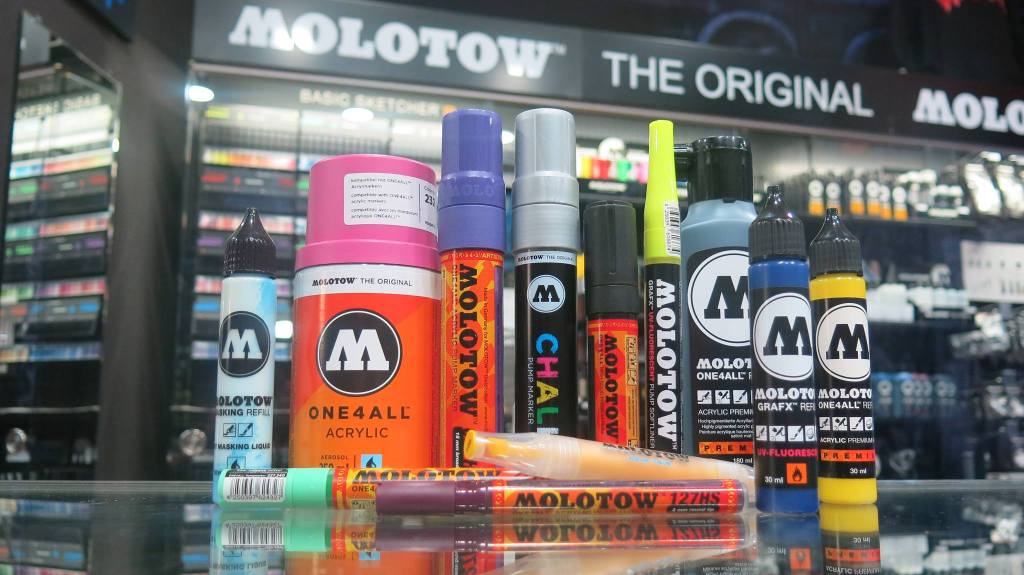
One of Molotow’s flagship products, the Molotow One4All acrylic spray paint, is particularly celebrated for its versatility and quality. Artists appreciate its high opacity, which allows for excellent coverage, enabling them to work efficiently and achieve vibrant colors. The quick-drying formula of Molotow paint is another key feature, allowing artists to layer colors and complete their work without long wait times. With an extensive palette of colors and finishes, Molotow provides artists with the exact shades they need to bring their visions to life, while the durability of their paints ensures that creations can withstand the elements, making them ideal for outdoor projects.
Beyond providing top-notch materials, Molotow empowers artists by actively supporting the graffiti and street art community. The brand sponsors various events, competitions, and exhibitions, giving artists a platform to showcase their work. This support fosters a sense of community and encourages collaboration among artists, helping to elevate the entire genre. Molotow frequently collaborates with renowned street artists, creating limited-edition products and special collections that highlight individual talents while promoting the brand as a key player in the street art movement. Notable collaborations have included works with artists like Snik and Eelus, showcasing the seamless blend of creativity and quality that Molotow embodies.
The influence of Molotow extends far beyond its German roots, as the brand has established a strong presence in the international graffiti scene. Its products are available in art supply stores and online retailers worldwide, making it easier for emerging artists to access high-quality materials. This accessibility helps democratize the art form, inspiring a new generation of creators to explore their artistic potential.
Moreover, Molotow is committed to social causes and community initiatives. The brand often participates in urban art projects aimed at beautifying public spaces and engaging local communities. By supporting these initiatives, Molotow not only enhances the urban landscape but also reinforces the idea that street art can be a powerful tool for social change.
Molotow’s influence and importance in the graffiti and street art world cannot be overstated. With its commitment to quality, innovation, and community support, the brand has become a vital resource for artists everywhere. As graffiti continues to evolve and gain recognition as a legitimate art form, Molotow will undoubtedly remain at the forefront, inspiring creativity and empowering artists to express themselves through their work. Whether you’re a seasoned professional or an aspiring artist, Molotow provides the tools you need to make your mark on the world.
We’re thrilled to announce that our gallery is officially live! 🎉 After lots of preparation and anticipation, the moment has finally arrived for you to immerse yourself in a world of creativity, innovation, and artistic expression.
At HavocMind.com, our gallery isn’t just a space to view stunning creations—it’s a platform for you to be part of the action. Whether you’re a passionate artist or a curious explorer, the gallery invites you to both contribute your own work and marvel at the creativity of others.
Have something amazing to share? This is your chance! Submitting to the Gallery is simple and gives you an opportunity to share your vision with a vibrant, like-minded community.
Dive into a collection of inspiring pieces from creators across the globe. From thought-provoking visuals to awe-inspiring concepts, there’s something for everyone to discover.
We value your feedback—your voice is what makes the Havoc Mind community so special. Explore the gallery, soak in the creativity, and don’t forget to share your thoughts with us in the comments below. Your insights fuel our journey.
The gallery is live now at havocmind.com/weekly-showcase/. Don’t miss your chance to explore this unique creative experience.
So, what are you waiting for? Head to HavocMind.com now and see the magic for yourself. Let’s make this a celebration of art, ideas, and imagination together!
Graffiti, once seen as an act of rebellion confined to the streets, has found a new canvas in the digital world. As technology advances, graffiti artists are embracing digital tools and social media to push the boundaries of their art and reach audiences far beyond their local neighborhoods. This fusion of creativity and technology is not only transforming the way graffiti is created and shared but also reshaping the perception of street art.
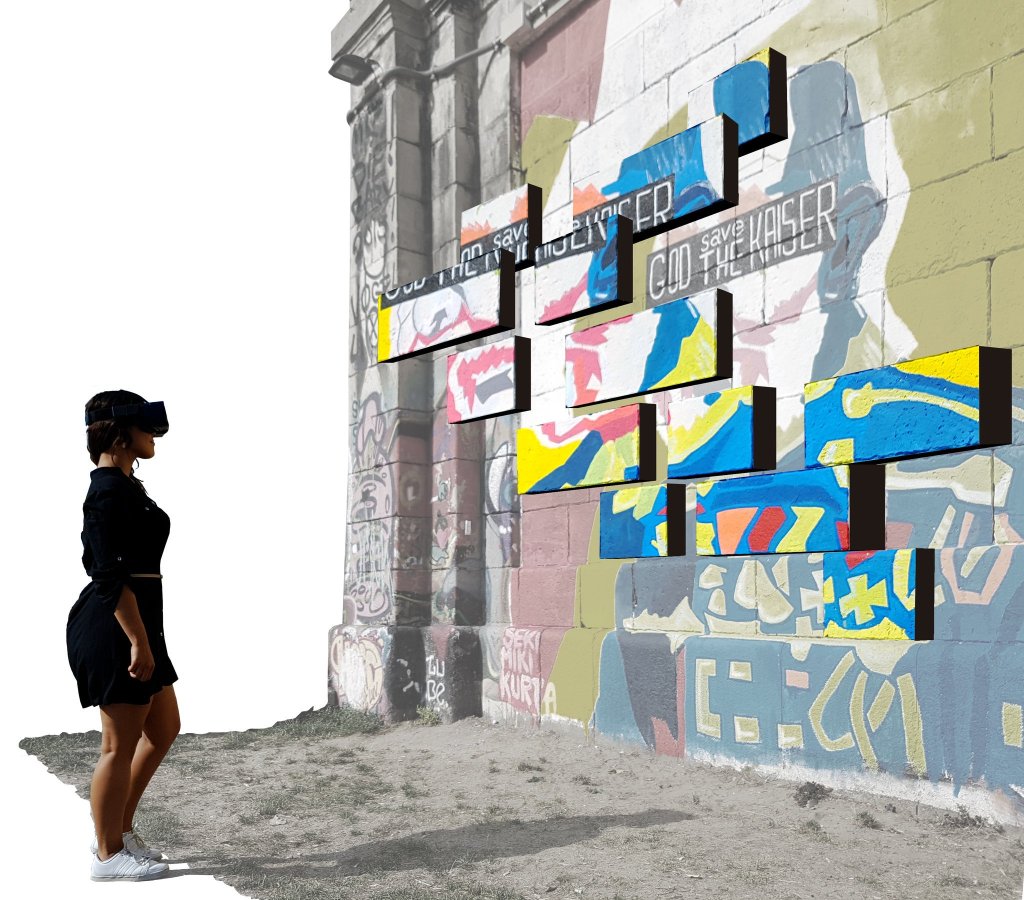
Augmented Reality (AR) is revolutionizing the graffiti scene by adding an interactive dimension to traditional street art. With AR, artists can overlay digital content onto physical surfaces, creating a dynamic and immersive experience for viewers. Through smartphone apps and AR glasses, spectators can view graffiti that comes to life with animations, sound, and even 3D effects. This blending of physical and digital art opens up new possibilities for storytelling and engagement, making graffiti more accessible and captivating than ever before.
One notable example of AR graffiti is the collaboration between street artist INSA and the AR platform Layar. INSA’s “GIF-ITI” projects combine animated digital murals with AR technology, allowing viewers to see the artwork in motion through their devices. This fusion of traditional graffiti with cutting-edge technology creates a mesmerizing and memorable experience for the audience.
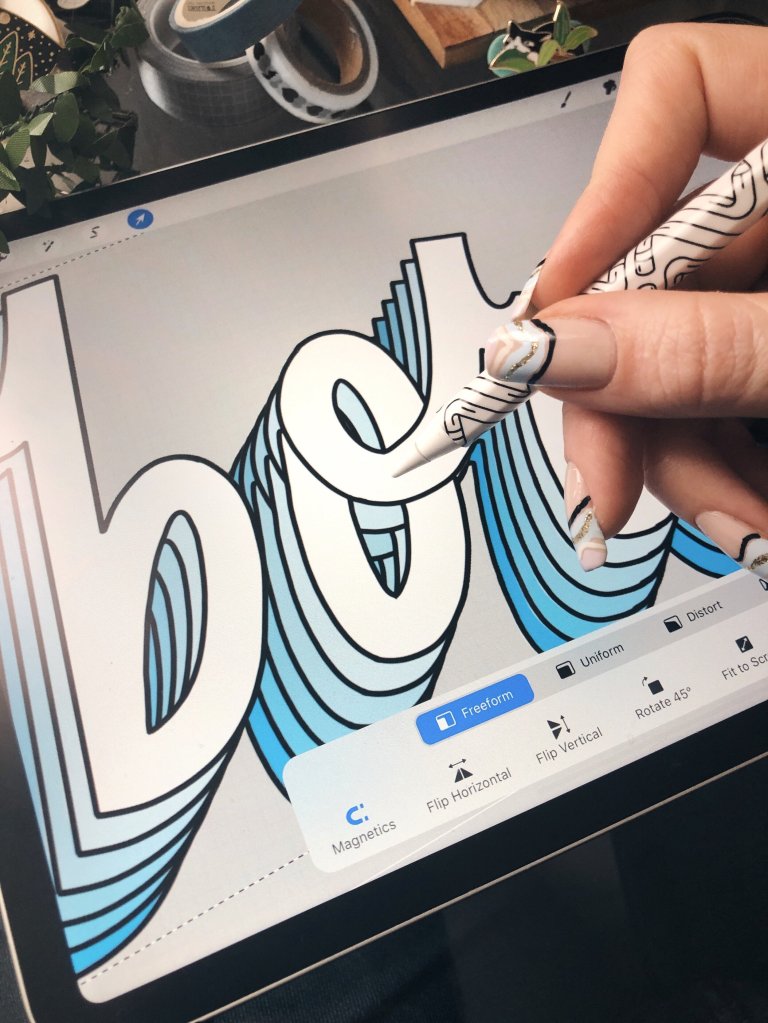
Digital tagging, or creating graffiti art using digital tools, has become a popular medium for artists looking to experiment with new techniques and reach wider audiences. With graphic tablets, digital pens, and software like Procreate and Adobe Illustrator, graffiti artists can design intricate and detailed pieces without the constraints of physical materials. Digital tagging allows for endless possibilities, from experimenting with different styles and colors to creating large-scale murals that can be easily shared online.
Processed with VSCO with hb1 preset
Moreover, digital tagging has made it easier for artists to collaborate across distances. Platforms like Mural and Google Jamboard enable graffiti writers from different parts of the world to work on a single digital canvas in real time, fostering a sense of community and creative exchange.
Social media and online platforms have played a pivotal role in bringing graffiti artists and enthusiasts together. Websites like Graffiti Life and social media platforms like Instagram and TikTok have become virtual galleries where artists can showcase their work, connect with fans, and gain recognition. These online communities provide a space for artists to share techniques, receive feedback, and collaborate on projects, breaking down geographical barriers and fostering a global network of street art enthusiasts.
One of the most significant impacts of social media on graffiti is the democratization of the art form. Artists who may have struggled to gain visibility in traditional art spaces can now reach a vast audience with just a few clicks. Hashtags like #StreetArt, #GraffitiArt, and #UrbanArt have become powerful tools for artists to gain exposure and connect with like-minded individuals.
Furthermore, online graffiti communities often organize virtual events, challenges, and collaborations that inspire creativity and innovation. These digital gatherings allow artists to showcase their skills, learn from each other, and push the boundaries of what graffiti can achieve.
The intersection of graffiti and technology is ushering in a new era for street art. Augmented reality graffiti, digital tagging, and online communities are transforming the way graffiti is created, shared, and appreciated. As artists continue to explore the possibilities of digital tools and social media, the future of graffiti promises to be more dynamic, interactive, and inclusive than ever before.
By embracing technology, graffiti artists are not only preserving the rebellious spirit of street art but also expanding its horizons and reaching new audiences. The marriage of graffiti and technology is a testament to the ever-evolving nature of creativity and the endless potential for innovation in the world of art.
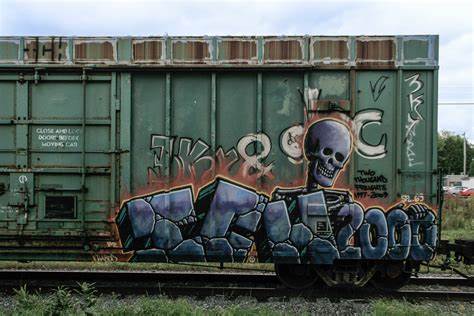
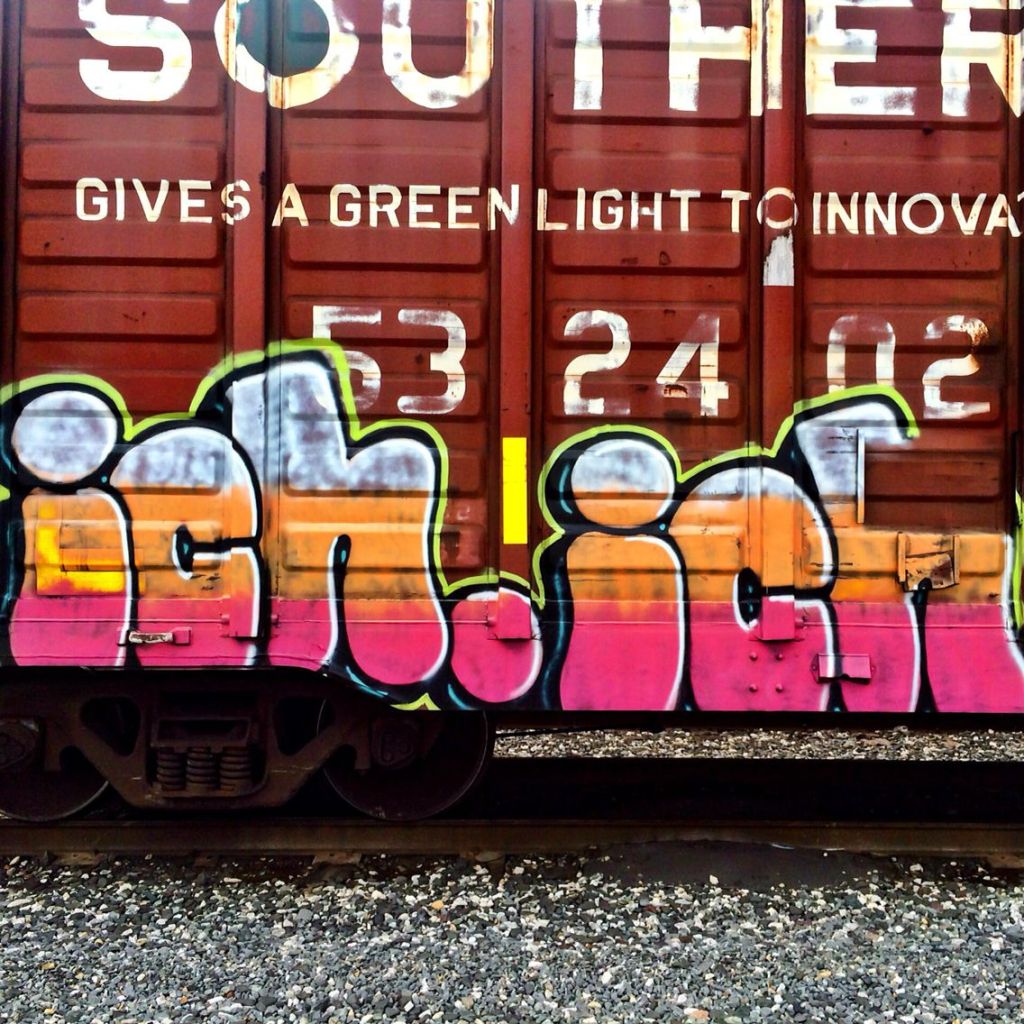
Graffiti has long been a controversial yet captivating form of art. From urban walls to abandoned factories, artists have found ways to transform mundane surfaces into vibrant expressions of creativity. Among the many canvases graffiti artists use, trains hold a special place. Train graffiti is not just a sub-genre of street art; it’s a cultural movement that transcends borders, unites communities, and challenges societal norms. In this post, we’ll explore how train graffiti has positively influenced the art world and society, with a special focus on two iconic names: 1UP Crew and Ichabod.
The Global Phenomenon of Train Graffiti
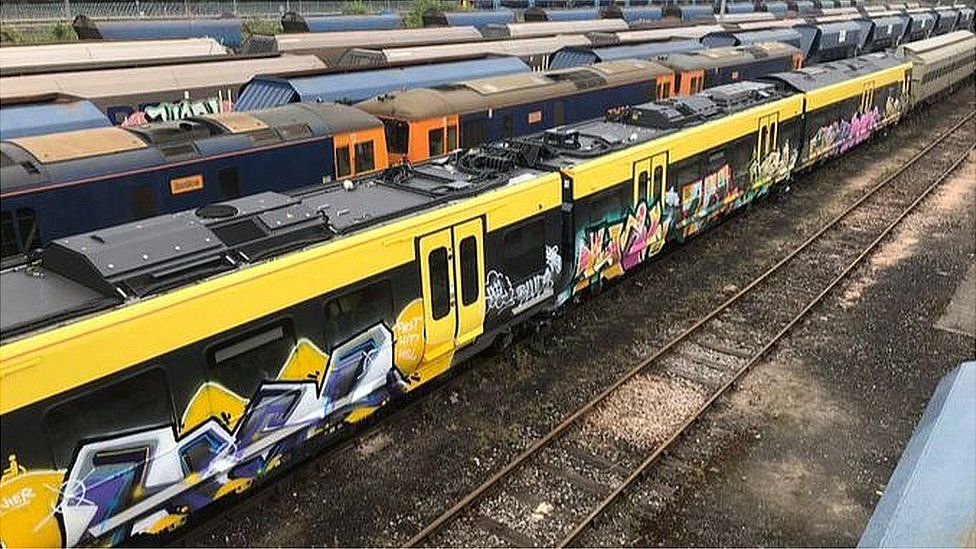
Train graffiti has become a global phenomenon, connecting artists and communities from New York to Berlin, São Paulo to Tokyo. Originating in the 1970s in the United States, the movement gained momentum as graffiti artists began tagging subway cars in New York City. Trains, with their mobility, became a perfect medium for spreading art across cities and regions.
The appeal of train graffiti lies in its impermanence and its ability to reach diverse audiences. Unlike static murals, train graffiti travels, turning every commuter into an accidental art spectator. This mobility transforms public transportation into a gallery on wheels, breaking down barriers between art and everyday life.
While train graffiti is often dismissed as vandalism, its cultural and artistic value cannot be ignored. Ways it has positively influenced the art community and society:
1. Fostering Creativity and Collaboration Train graffiti has pushed artists to think outside the box. The challenges of working on moving vehicles—limited time, curved surfaces, and public visibility—required ingenuity and skill. This has led to the creation of some of the most innovative and visually striking pieces in the graffiti world.
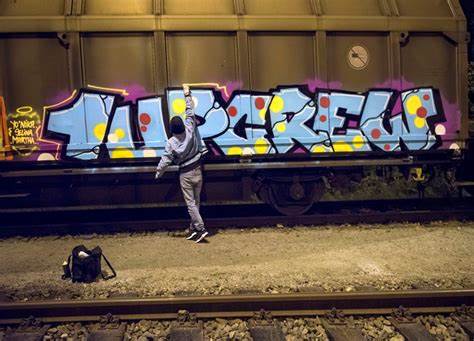
Additionally, train graffiti often involves collaboration. Crews like 1UP (One United Power) demonstrate how teamwork can lead to breathtaking large-scale works. These collaborations foster a sense of community among artists and inspire younger generations to pursue creative endeavors.
2. Challenging Social Norms Train graffiti challenges traditional notions of art and public space. By placing art in unexpected locations, graffiti artists question who gets to decide what is considered art and where it belongs. This democratization of art encourages society to rethink its relationship with creativity and public spaces.
3. Cultural Exchange Because trains travel across cities, regions, and even countries, train graffiti facilitates a form of cultural exchange. Artists from different backgrounds can share their styles, techniques, and messages with a wide audience, creating a global dialogue through art.
4. Inspiring the Art World Many renowned contemporary artists started as graffiti writers. The bold colors, dynamic compositions, and rebellious spirit of graffiti have influenced everything from fashion to fine art. Train graffiti, in particular, has inspired countless exhibitions, documentaries, and academic studies, cementing its place in the art world.
—
Spotlight: 1UP Crew
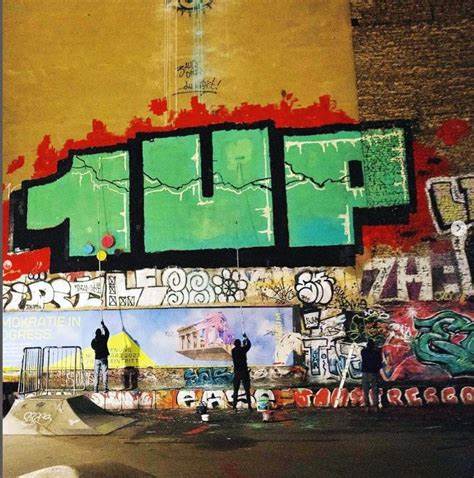
One of the most influential names in train graffiti is 1UP Crew, a collective based in Berlin, Germany. Known for their daring and highly coordinated pieces, 1UP has become a symbol of unity and perseverance in the graffiti world.
1UP’s work often features bold lettering, vibrant colors, and large-scale designs that cover entire train cars. Their pieces are not only visually stunning but also carry messages of solidarity, resistance, and hope. The crew’s fearless approach—painting trains in broad daylight or in high-security areas—has earned them both admiration and notoriety.
Beyond their graffiti, 1UP has contributed to the art community through exhibitions, books, and collaborations with other artists. They’ve shown that graffiti can be both an act of rebellion and a form of artistic excellence.
Spotlight: Ichabod
Ichabod, a prolific train graffiti artist from the United States, has also left an indelible mark on the art world. Known for his unique style and thought-provoking imagery, Ichabod’s work often features surreal characters, intricate patterns, and bold use of color.
What sets Ichabod apart is his ability to blend technical skill with emotional depth. His pieces often tell stories or evoke a sense of mystery, inviting viewers to interpret their meaning. Ichabod’s work has been celebrated not only for its artistic merit but also for its ability to humanize graffiti as a legitimate form of self-expression.
Ichabod has also been a mentor to younger artists, sharing his knowledge and passion for train graffiti. His influence extends beyond the tracks, inspiring a new generation of creatives to pursue their artistic dreams.
The Future of Train Graffiti
As cities around the world grapple with the legality of graffiti, the future of train graffiti remains uncertain. However, its impact on the art community and society is undeniable. Train graffiti has proven that art can thrive in unexpected places, challenge societal norms, and bring people together.
Artists like 1UP Crew and Ichabod remind us that creativity knows no boundaries. Their work continues to inspire, provoke, and connect, turning trains into moving canvases and cities into living galleries.
In a world that often feels divided, train graffiti serves as a powerful reminder of art’s ability to transcend borders and unite us all. So, the next time you see a graffiti-covered train pass by, take a moment to appreciate the artistry, the message, and the courage behind it.
Train graffiti may not stay in one place, but its influence is here to stay.
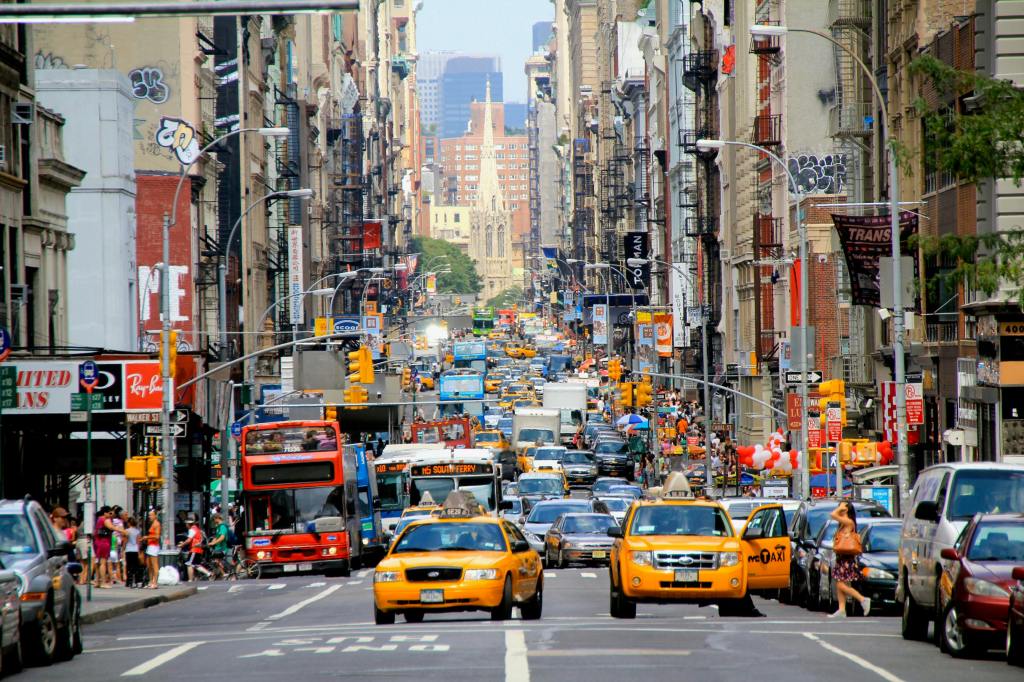
Let’s take a little journey through the streets of NYC. From the raw, rebellious art of the 90s to the polished murals we see today, graffiti has seen some wild changes. And of course, we’ll drop some names of famous and infamous writers and touch on key moments that shaped the scene.
Graffiti in the 90s
The 90s were like the Wild West for graffiti in NYC. Artists used the city as their canvas, expressing themselves in bold, colorful ways. Subway trains, building walls, and just about any blank space became a playground for graffiti writers. This period saw the rise of legendary graffiti writers who left an indelible mark on the city’s landscape. Taki 183 was the OG of modern graffiti; his simple tags were everywhere and inspired tons of other artists. Cope2, known for his signature style, was all over the subways and streets. His work became iconic in the graffiti world. Lady Pink, one of the few female graffiti artists back then, brought fierce, vibrant murals that stood out in a male-dominated scene.
The Metropolitan Transportation Authority (MTA) wasn’t thrilled about graffiti on their trains and cracked down hard, which pushed artists to find new spots on the streets. Despite these challenges, graffiti crews like Tats Cru and FX Crew emerged, bringing a sense of community and collaboration to the scene and creating massive, intricate murals.
Graffiti Today
Fast forward to today, and NYC graffiti is a whole different beast. While illegal tagging still happens, many artists now get commissioned to create stunning murals. The city’s graffiti scene blends old-school styles with contemporary street art. Though not a New Yorker by birth, Banksy’s work in the city has made waves. His stencils and installations are thought-provoking and have left a mark on the scene. JibeOne, a French artist who sadly lost his life tagging in NYC, reminds us of graffiti’s enduring allure. Klops, known for his quirky cartoon characters, is making a name for himself in the modern graffiti world.
Legal spaces like the First Street Green Art Park give artists a place to showcase their work, fostering creativity and community. Graffiti has earned its place in galleries and museums, bridging the gap between street art and fine art.
From the rebellious tags of the 90s to today’s celebrated murals, NYC graffiti continues to evolve, reflecting the city’s ever-changing culture. Whether on the streets or in galleries, graffiti remains a vibrant and vital part of NYC’s artistic identity.