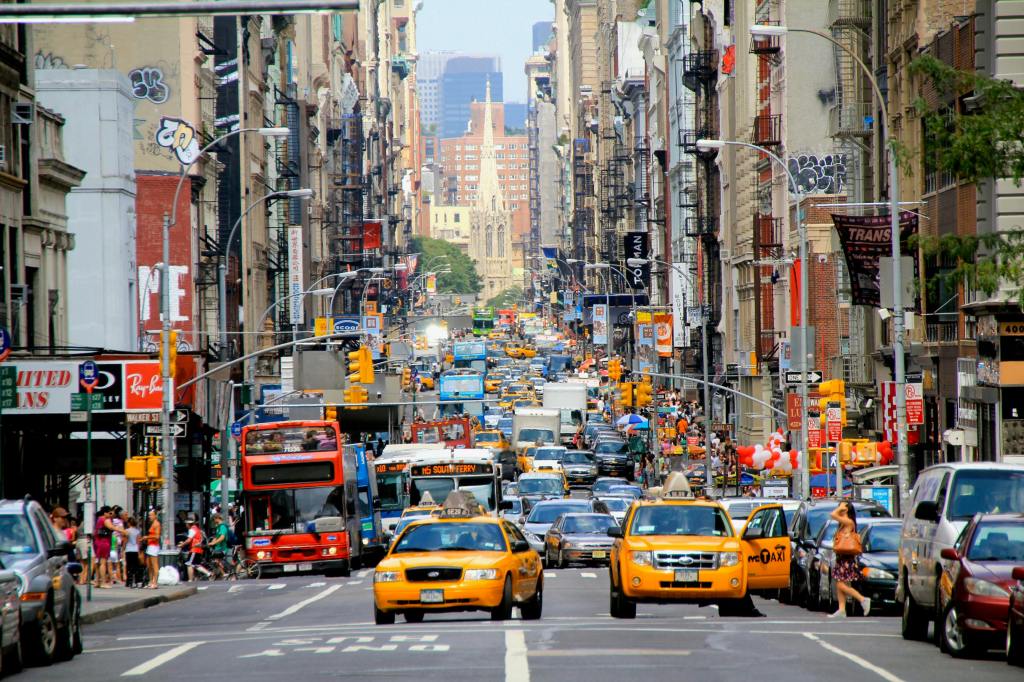
Let’s take a little journey through the streets of NYC. From the raw, rebellious art of the 90s to the polished murals we see today, graffiti has seen some wild changes. And of course, we’ll drop some names of famous and infamous writers and touch on key moments that shaped the scene.
Graffiti in the 90s
The 90s were like the Wild West for graffiti in NYC. Artists used the city as their canvas, expressing themselves in bold, colorful ways. Subway trains, building walls, and just about any blank space became a playground for graffiti writers. This period saw the rise of legendary graffiti writers who left an indelible mark on the city’s landscape. Taki 183 was the OG of modern graffiti; his simple tags were everywhere and inspired tons of other artists. Cope2, known for his signature style, was all over the subways and streets. His work became iconic in the graffiti world. Lady Pink, one of the few female graffiti artists back then, brought fierce, vibrant murals that stood out in a male-dominated scene.
The Metropolitan Transportation Authority (MTA) wasn’t thrilled about graffiti on their trains and cracked down hard, which pushed artists to find new spots on the streets. Despite these challenges, graffiti crews like Tats Cru and FX Crew emerged, bringing a sense of community and collaboration to the scene and creating massive, intricate murals.
Graffiti Today
Fast forward to today, and NYC graffiti is a whole different beast. While illegal tagging still happens, many artists now get commissioned to create stunning murals. The city’s graffiti scene blends old-school styles with contemporary street art. Though not a New Yorker by birth, Banksy’s work in the city has made waves. His stencils and installations are thought-provoking and have left a mark on the scene. JibeOne, a French artist who sadly lost his life tagging in NYC, reminds us of graffiti’s enduring allure. Klops, known for his quirky cartoon characters, is making a name for himself in the modern graffiti world.
Legal spaces like the First Street Green Art Park give artists a place to showcase their work, fostering creativity and community. Graffiti has earned its place in galleries and museums, bridging the gap between street art and fine art.
From the rebellious tags of the 90s to today’s celebrated murals, NYC graffiti continues to evolve, reflecting the city’s ever-changing culture. Whether on the streets or in galleries, graffiti remains a vibrant and vital part of NYC’s artistic identity.

Leave a comment