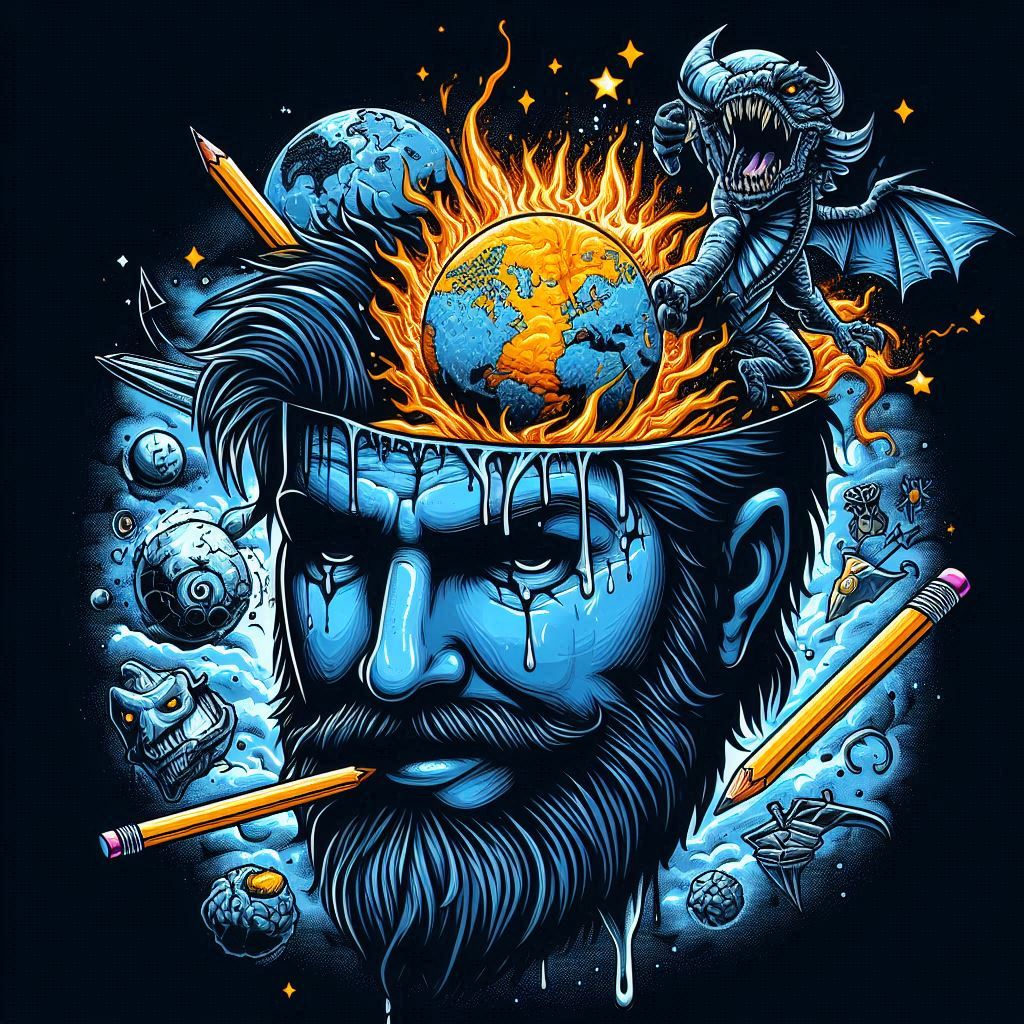
Art has always been a profound means of expression, transcending time, culture, and social boundaries. Throughout history, it has evolved and adapted, reflecting the zeitgeist of each era. In contemporary times, one of the most dynamic and contentious forms of art is street art and graffiti. Often misunderstood, these mediums encapsulate a raw, unfiltered dialogue between the artist and the public, challenging conventional notions of art and its place in society.
Art, in its broadest sense, is a diverse range of human activities and the products of those activities. It includes the creation of visual, auditory, or performed artifacts that express the creator’s imagination, conceptual ideas, or technical skill, intended to be appreciated for their beauty or emotional power. Traditional forms of art such as painting, sculpture, and literature have long been celebrated for their ability to convey complex emotions and ideas.
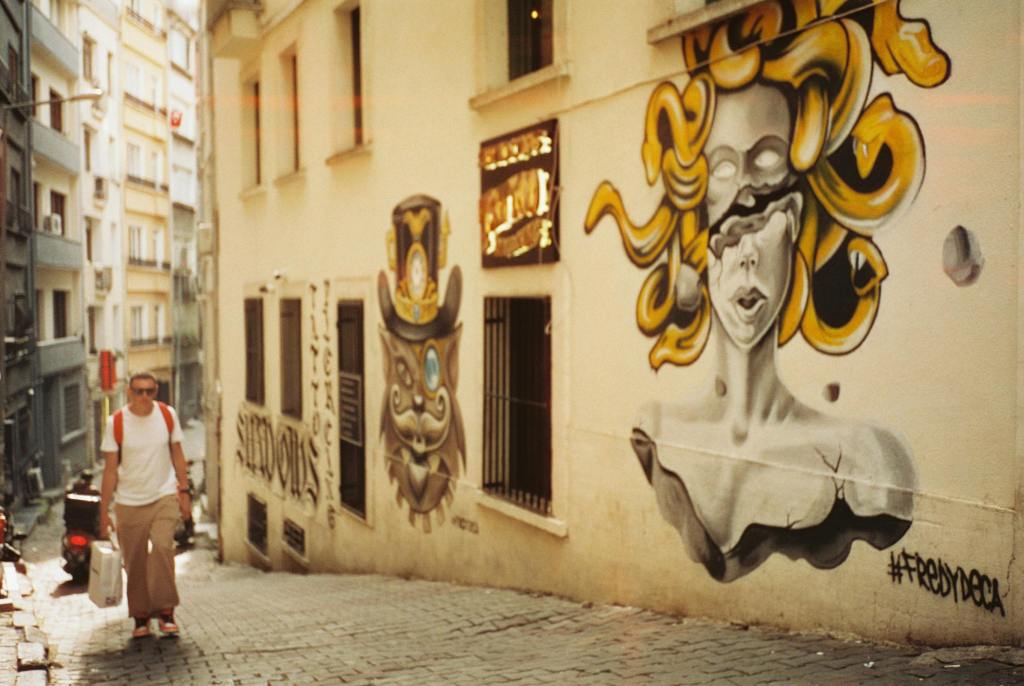
Street art emerged as a significant cultural movement in the late 20th century, gaining momentum in urban environments across the globe. Unlike traditional art that resides within the confines of galleries and museums, street art is inherently democratic, available for everyone to see. It encompasses a variety of forms including murals, stencil graffiti, sticker art, and installations, each characterized by its accessibility and often ephemeral nature.
The roots of street art can be traced back to the counterculture movements of the 1960s and 70s, where artists sought to reclaim public spaces and make bold statements against the status quo. Today, street art continues to evolve, with artists like Does, Vile, and SEEN pushing the boundaries of what art can be. Their works provoke thought, spark conversation, and often challenge societal norms and injustices.
Graffiti, a subset of street art, has long been a subject of controversy. While some view it as a form of vandalism that defaces property, others see it as a powerful form of self-expression and social commentary. The vibrant tags and intricate designs that adorn city walls and trains tell stories of identity, resistance, and community.
The legal and social implications of graffiti have led to a complex relationship between artists and authorities. Despite the risks, many graffiti artists continue to create, driven by a desire to leave their mark on the world. Graffiti has also gained recognition in the art world, with some works being preserved and displayed in galleries and museums.
Street art and graffiti have a profound impact on urban culture. They bring color and life to otherwise mundane spaces, transforming the urban landscape into a canvas of creativity and expression. These art forms often reflect the social and political climate of their environment, providing a voice to marginalized communities and sparking important conversations.
Furthermore, street art and graffiti have contributed to the rise of urban tourism, with cities like Berlin, New York, and São Paulo becoming hotspots for art enthusiasts. Murals and graffiti tours attract visitors from around the world, showcasing the unique artistic heritage of each location.
As we look to the future, street art and graffiti will undoubtedly continue to evolve. With advancements in technology and new platforms for expression, artists will find innovative ways to engage with their audience. Augmented reality (AR) street art, interactive murals, and digital graffiti are just a few examples of how these art forms are expanding their reach and impact.
Street art and graffiti represent a vibrant and ever-changing facet of the art world. They challenge traditional notions of what art can be, making it accessible to all and reflecting the diverse voices of our society. As these art forms continue to grow and evolve, they will undoubtedly remain a vital part of our cultural landscape, inspiring future generations to think creatively and critically about the world around them.

Leave a comment